
How Scenic Stage Design Transforms Corporate Conferences
Scenic stage design turns corporate meetings and annual conferences into polished, brand-driven experiences. A well-designed stage directs audience attention, reinforces company identity, and improves speaker effectiveness, making it a strategic investment rather than a cosmetic one.
Corporate meetings and annual conferences carry a lot of weight. They're where companies communicate vision, rally their teams, celebrate milestones, and make lasting impressions on clients and stakeholders. Yet many organizations pour resources into venue selection, catering, and guest lists, while the stage itself becomes an afterthought.
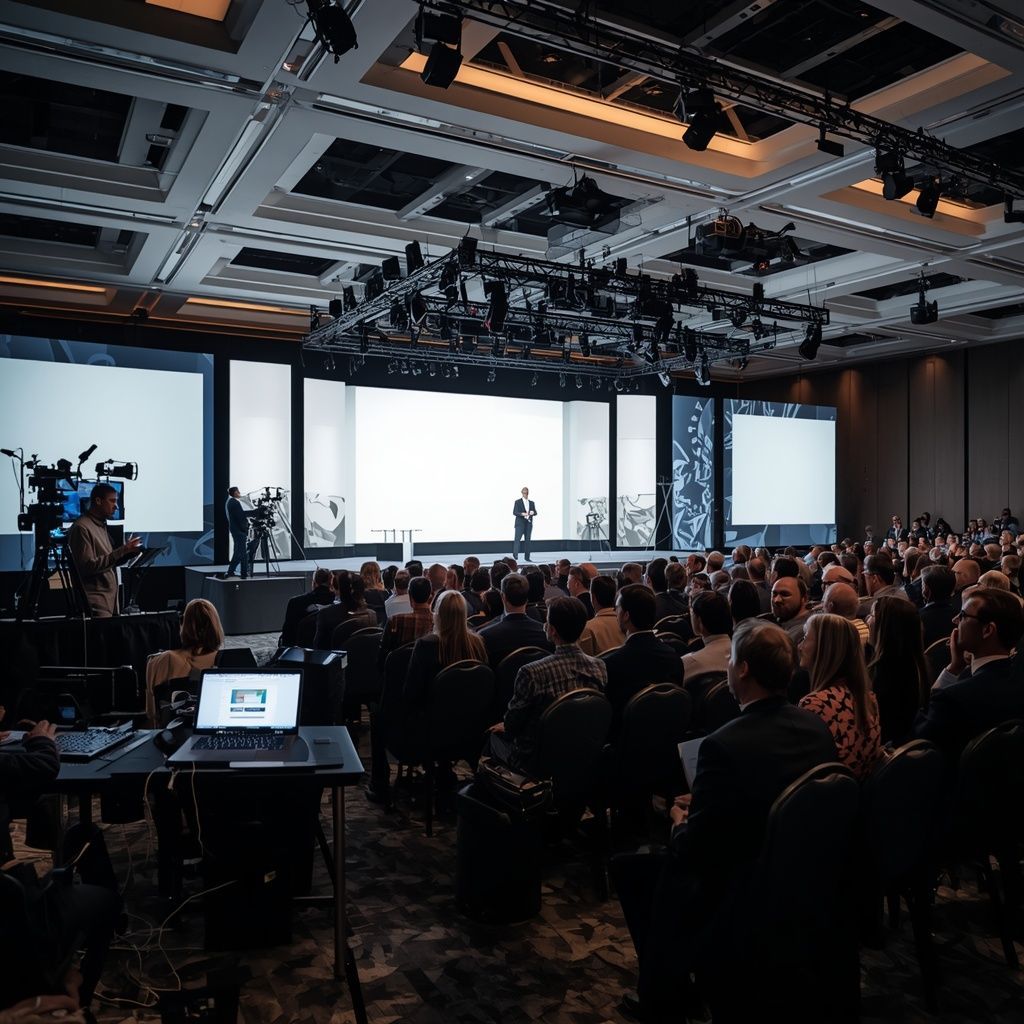
That's a missed opportunity. The stage is the visual anchor of your entire event. Everything your audience sees, hears, and remembers is filtered through that central focal point. When stage design is done well, it quietly does a lot of heavy lifting: building credibility, guiding attention, and reinforcing your message before a single speaker says a word.
This guide breaks down why scenic stage design matters for corporate events, what goes into getting it right, and how to approach the process so your next conference leaves a lasting impression.
Why First Impressions at Corporate Events Start With the Stage
Attendees form opinions quickly. Research in environmental psychology consistently shows that people assess a physical space within seconds of entering it, and those initial impressions shape how they engage with everything that follows.
A cluttered, poorly lit, or generic stage signals disorganization. A clean, branded, professionally designed stage communicates that the company takes its events and, by extension, its people seriously.
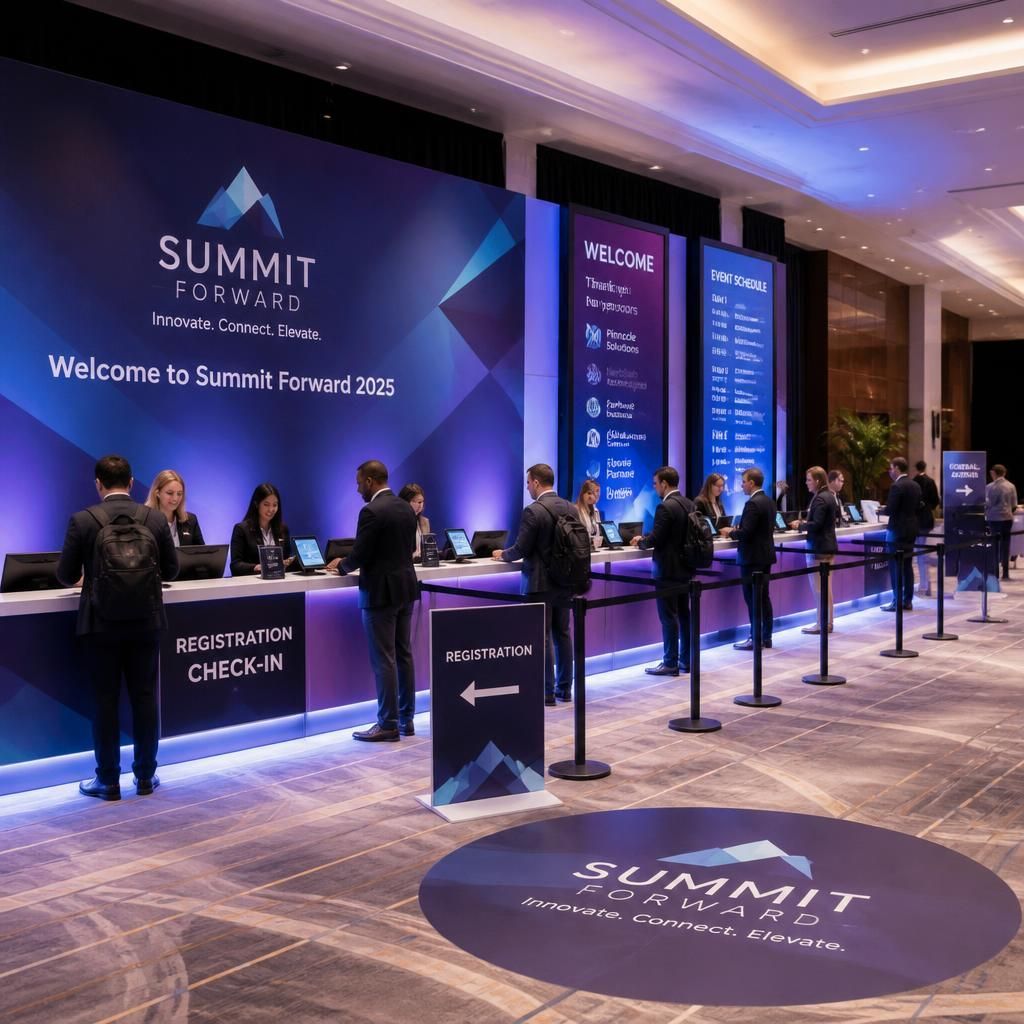
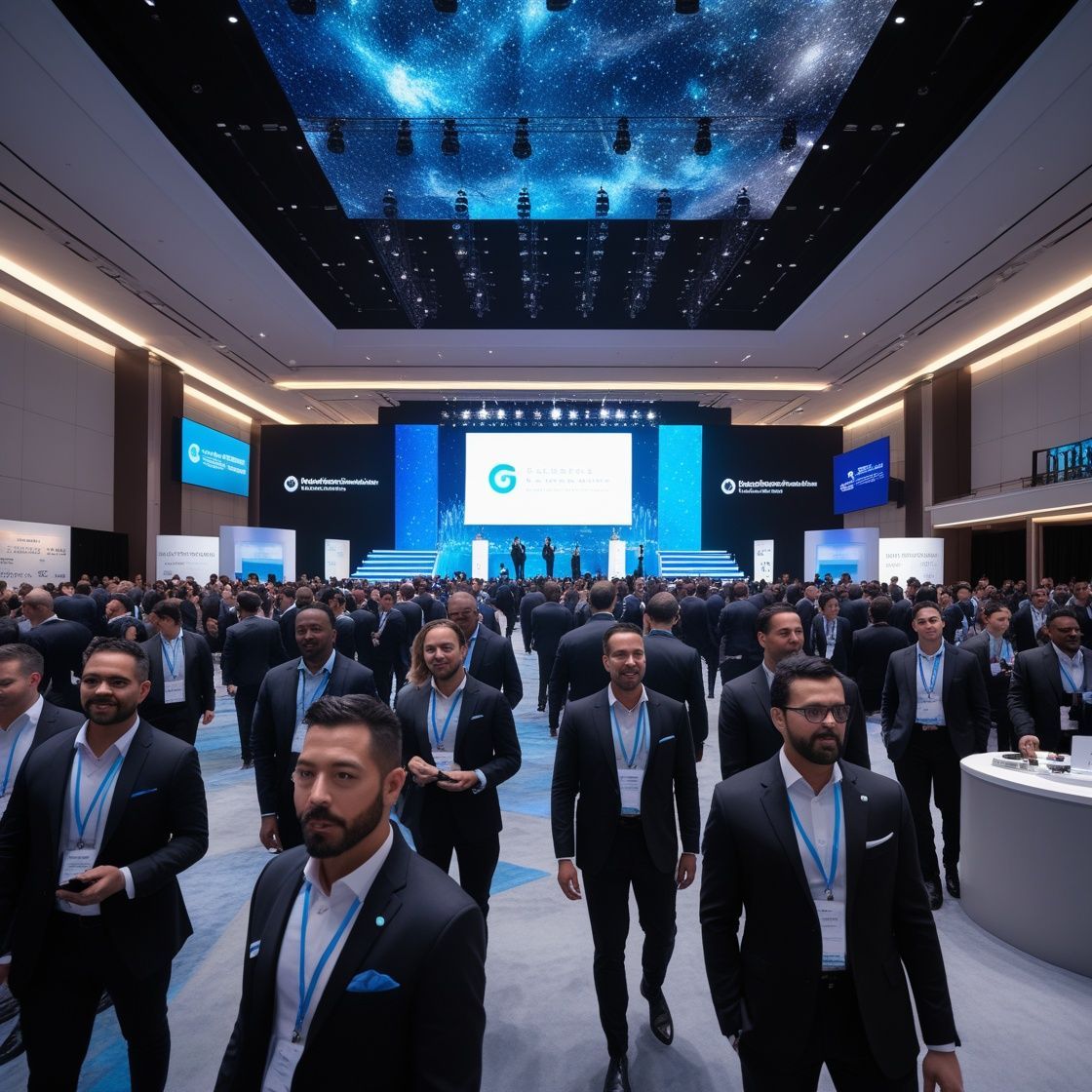
This is especially true at annual conferences, where the stage sets expectations for the entire day or multi-day program. Custom stage wraps, cohesive color palettes, and branded backdrops all work together to tell a visual story that words alone cannot.
For companies working with a stage production company on corporate events, the design process typically begins with brand guidelines, fonts, colors, logo placement, and builds outward from there. The result is a stage that feels like a natural extension of the brand, not a generic rental setup.
What Are the Key Elements of Effective Scenic Stage Design?
Strong stage design for corporate events involves several interconnected elements. Each one plays a specific role, and the most impactful setups treat them as a unified system rather than individual components.
Custom Stage Wraps and Backdrops
Stage wraps are printed or fabricated panels that cover the visible surfaces of a stage structure, including the front fascia, side wings, and risers. They transform plain staging into a branded environment. A company logo or event theme displayed prominently on the oversized backdrops gives every photo, livestream frame, and wide shot a consistent, professional look.
Professional Lighting Production
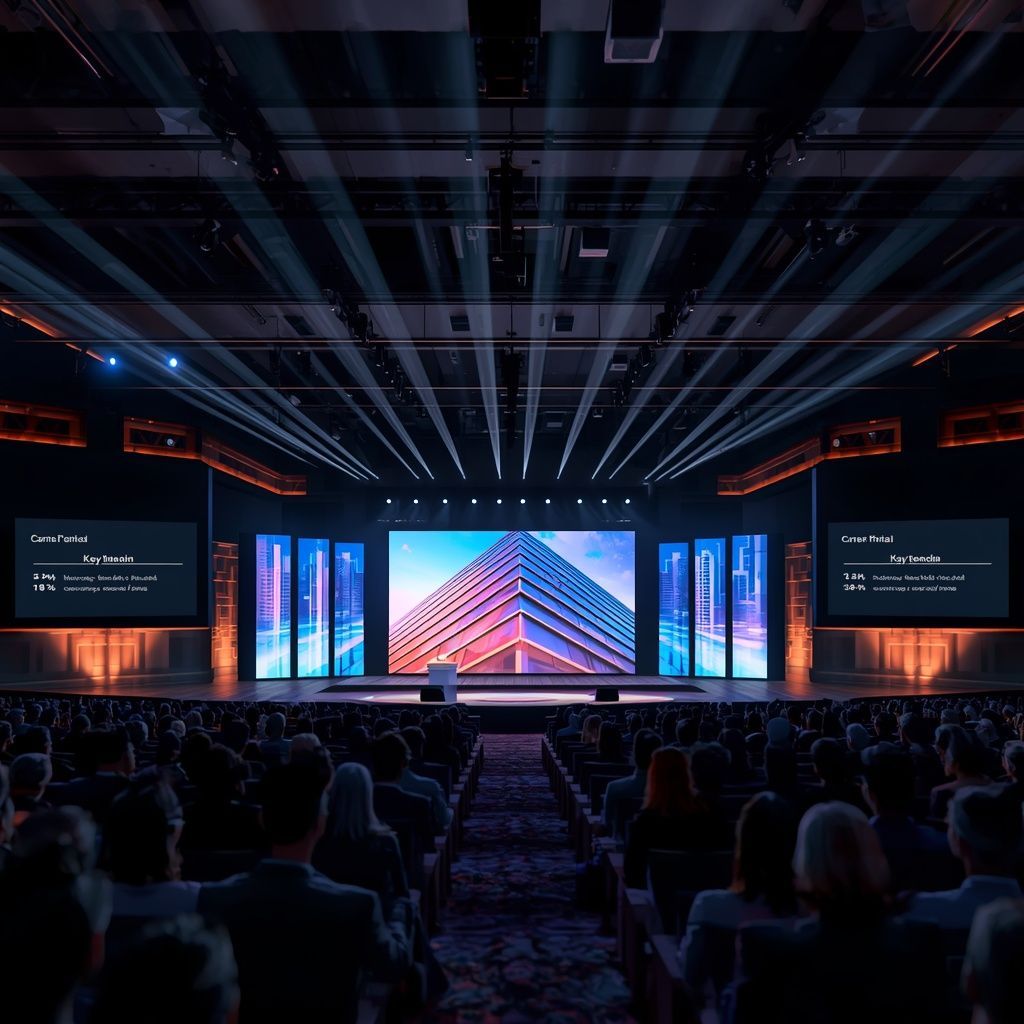
Lighting does more than illuminate the stage; it shapes the entire emotional tone of a presentation. Warm tones feel welcoming and conversational. Cooler, more focused beams convey precision and authority. Dynamic lighting shifts can signal transitions between program segments, keeping the audience alert and oriented.
Thoughtfully designed event lighting production will also account for camera capture. If the event is being recorded or streamed, the lighting balance between the stage, the speaker, and the background becomes even more critical.
Audio-Visual Integration
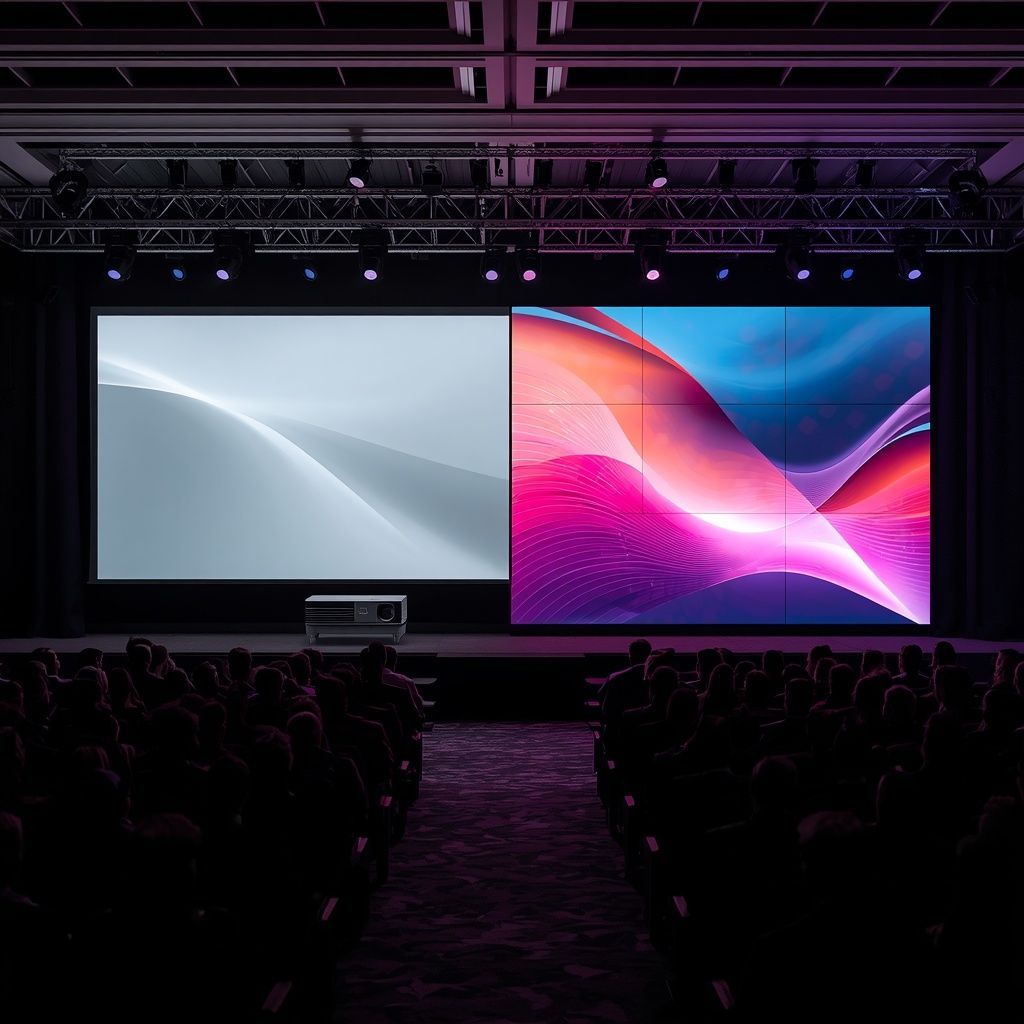
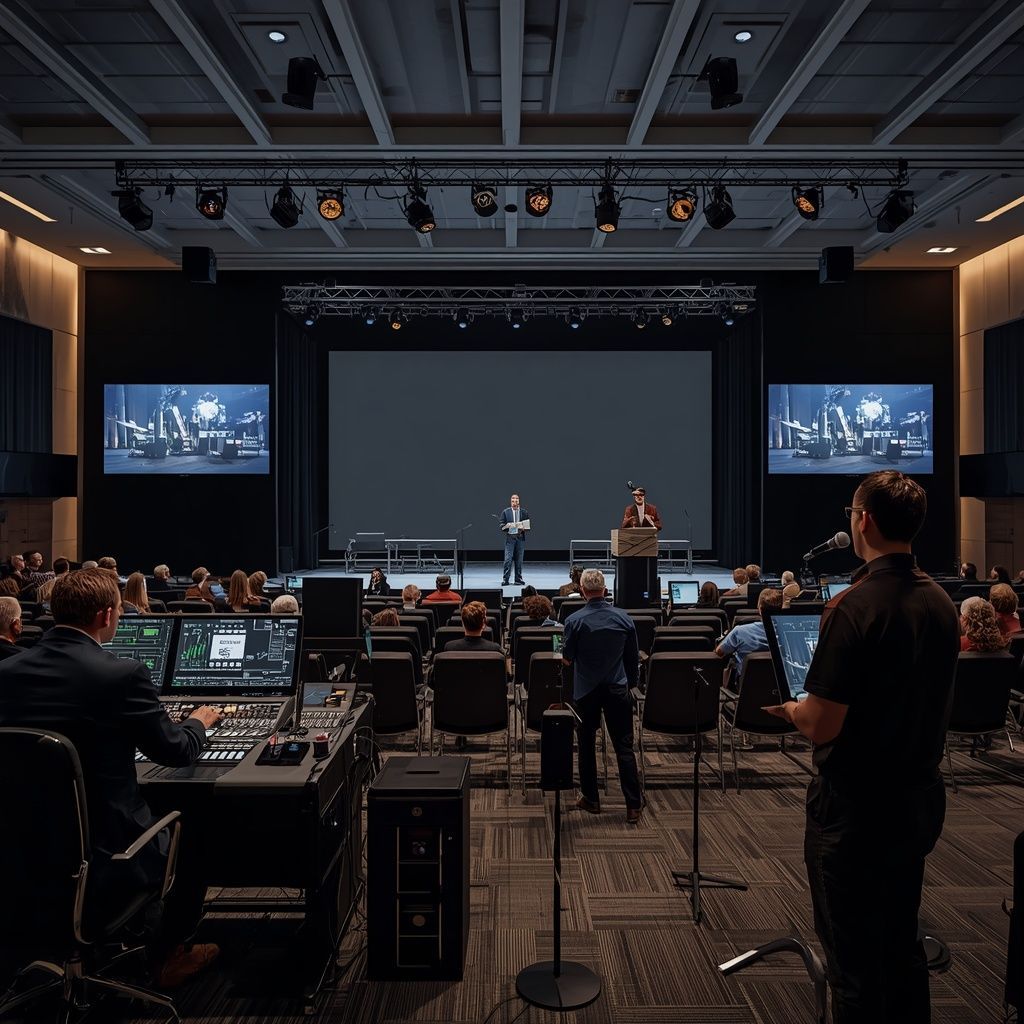
AV production services are the backbone of any modern conference stage. Seamless integration of LED screens, projection mapping, live camera feeds, and presentation displays ensures that content reaches every attendee clearly, regardless of where they're seated. Poor AV execution undermines even the best-designed stage: a presenter whose slides lag, audio that cuts out, or a video that fails to load damages credibility in real time.
Spatial Layout and Flow
The physical configuration of the stage affects how sessions run. A well-planned stage accommodates single keynote speakers, seated panel discussions, and interactive segments without requiring disruptive reconfigurations between sets. Strategic placement of podiums, screens, and seating also affects sightlines and acoustics for the full audience.
How Does Stage Design Improve Attendee Engagement and Retention?
There is a practical connection between visual environment and information retention. Cognitive load theory, developed by educational psychologist John Sweller, suggests that people learn and retain more when they aren't distracted by competing visual stimuli. A well-organized, visually consistent stage reduces cognitive clutter, allowing attendees to focus more fully on the content being presented.
Beyond the science, there is a human element. When attendees walk into a beautifully designed conference space, they feel that their time has been valued. That perception increases their willingness to engage, ask questions, and participate. It also shapes how they talk about the event afterward, both internally and on social media.
Dynamic event enhancements, like motion graphics on LED screens or subtle lighting transitions during speaker changeovers, create natural moments of interest that prevent attention from drifting during longer programs.
What Technical Factors Should Event Planners Consider for Stage Production?
Getting the technical side right requires coordination across several disciplines. Here are the key considerations:
- AV and design compatibility: The stage structure and the AV rig need to be planned together from the start. Mounting points for screens, truss positions for lighting, and cable management all affect the final look of the stage.
- Lighting flexibility: Corporate events often feature multiple speakers with different presentation styles. A flexible lighting system one that can be adjusted quickly between segments is essential for maintaining visual consistency without slowing the program.
- Material durability: Multi-day conferences put real wear on stage components. Professional-grade materials for wraps, flooring, and structural elements maintain their appearance through extended use without fading, peeling, or scuffing.
- Contingency planning: Live events are unpredictable. Technical teams should have backup equipment and a clear chain of communication for real-time problem-solving. The best event production companies in Miami and beyond build contingency protocols directly into their event-day plans.
What Is the ROI of Investing in Quality Stage Design for Corporate Events?
Quality stage design has measurable returns, though they show up across several areas rather than a single metric.
- Speaker effectiveness improves. When speakers have a professional environment, they perform better. A well-lit, acoustically sound stage removes physical discomfort and distraction, allowing them to focus entirely on delivery.
- Audience comprehension increases. Clear visual displays, readable typography, and good sight lines mean that key messages land more reliably. Attendees leave with a clearer understanding of what was communicated.
- Event satisfaction scores rise. Post-event surveys consistently link production quality to overall attendee satisfaction. Higher satisfaction drives better attendance at future events, which matters significantly for annual conferences that depend on ongoing engagement.
- Brand perception strengthens. For client-facing conferences, the quality of event production directly reflects on the company. A polished stage communicates that the organization is capable, detail-oriented, and invested in excellence. That perception extends beyond the room.
Companies that partner with event branding services to develop consistent, high-quality staging across multiple annual events also benefit from brand recognition; attendees begin to associate a certain visual standard with the company's identity.
How to Choose the Right Stage Production Partner
Not all production companies approach corporate events the same way. When evaluating potential partners, look for:
- A portfolio that includes corporate events specifically, not just social events
- In-house capabilities across lighting, AV, and design — rather than heavy reliance on subcontractors
- Clear communication processes and a dedicated point of contact
- Demonstrated flexibility and problem-solving ability on event day
For companies planning events in South Florida, MPE Event Group offers full-service event branding and stage production, covering everything from custom stage wraps and event lighting production to AV production services and event enhancements. Their team handles the full scope of production, so event planners can focus on program content rather than technical logistics.
Stage Design Is a Strategic Decision, Not a Decorative One
The most successful corporate conferences are not just well-organized; they are well-designed. Scenic stage design shapes how an audience perceives a brand, processes information, and remembers an event long after they leave the room.
When stage design, lighting, and AV production come together as a cohesive system, the result is an event that feels intentional, professional, and worth attending again. Companies that treat stage production as a strategic priority, not a line item to minimize, see the difference in how their events land with audiences.
Ready to bring that level of production quality to your next corporate event? Connect with
MPE Event Group to start planning.