
Corporate Panel Discussion Production: Microphones, Stage Layout, and Audience Visibility
Corporate Panel Discussion Production: Microphones, Stage Layout, and Audience Visibility
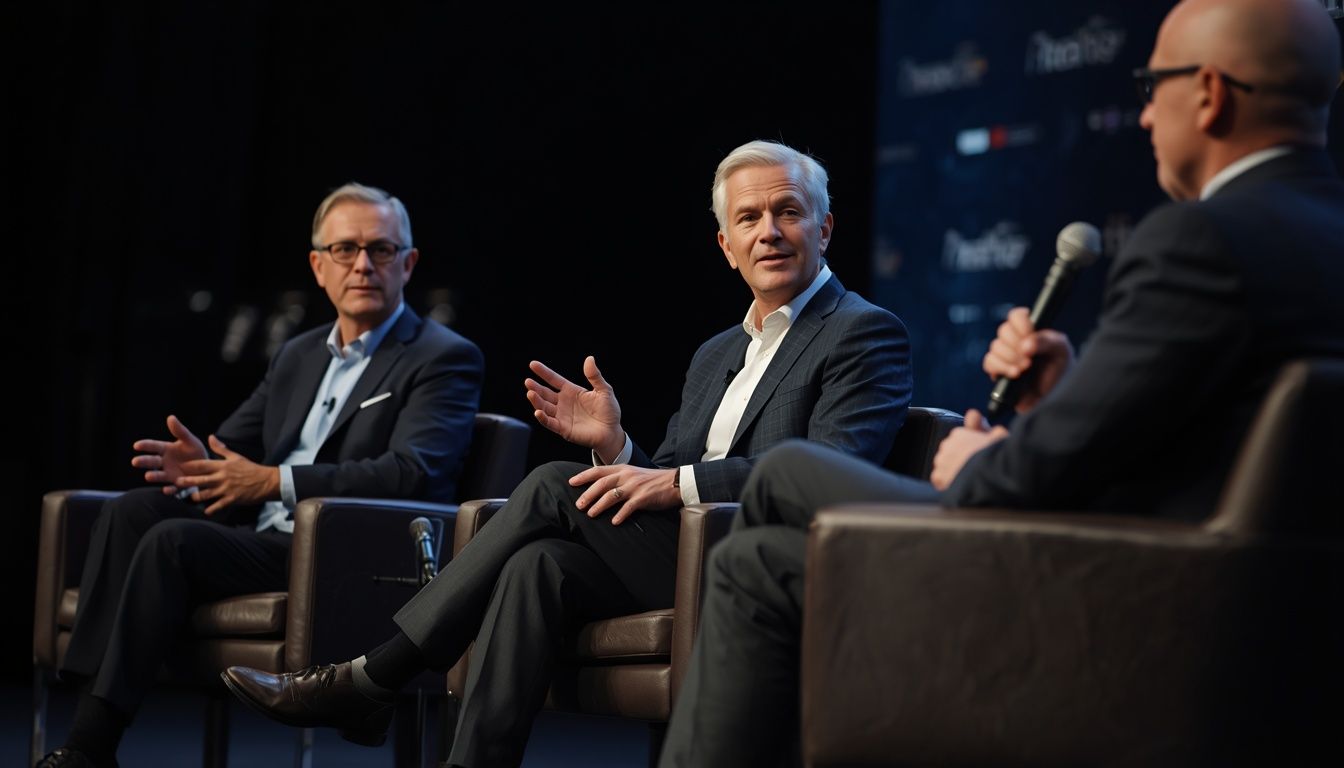
Corporate panel discussions remain one of the most effective ways to share expertise, spark debate, and give attendees a front-row seat to industry insight. A well-run panel can turn a roomful of professionals into an engaged audience that leaves with real takeaways. But even the most knowledgeable speakers can fall flat if the microphones cut out, the stage feels disjointed, or half the room can't see the screen.
Production quality determines whether a panel discussion succeeds or struggles. Thoughtful planning around sound, seating, lighting, and visibility allows panelists to communicate clearly, gives moderators the tools to manage the flow of conversation, and lets attendees follow along without straining to hear or see. Here's what corporate event planners, business owners, and conference organizers in Miami and South Florida should know before their next panel.
Choose the Right Microphones for Panel Discussions
Microphone selection is one of the most important production decisions for any panel. The wrong setup leads to dead air, feedback, or panelists talking over each other. A few common options include:
- Wireless handheld microphones for audience Q&A segments
- Lavalier microphones for hands-free speaking, ideal for panelists who gesture or move
- Headset microphones for moderators who need both hands free
- Gooseneck microphones for podiums or fixed seating arrangements
- Individual microphones for each panelist, so every voice is captured clearly without passing a single mic down the row
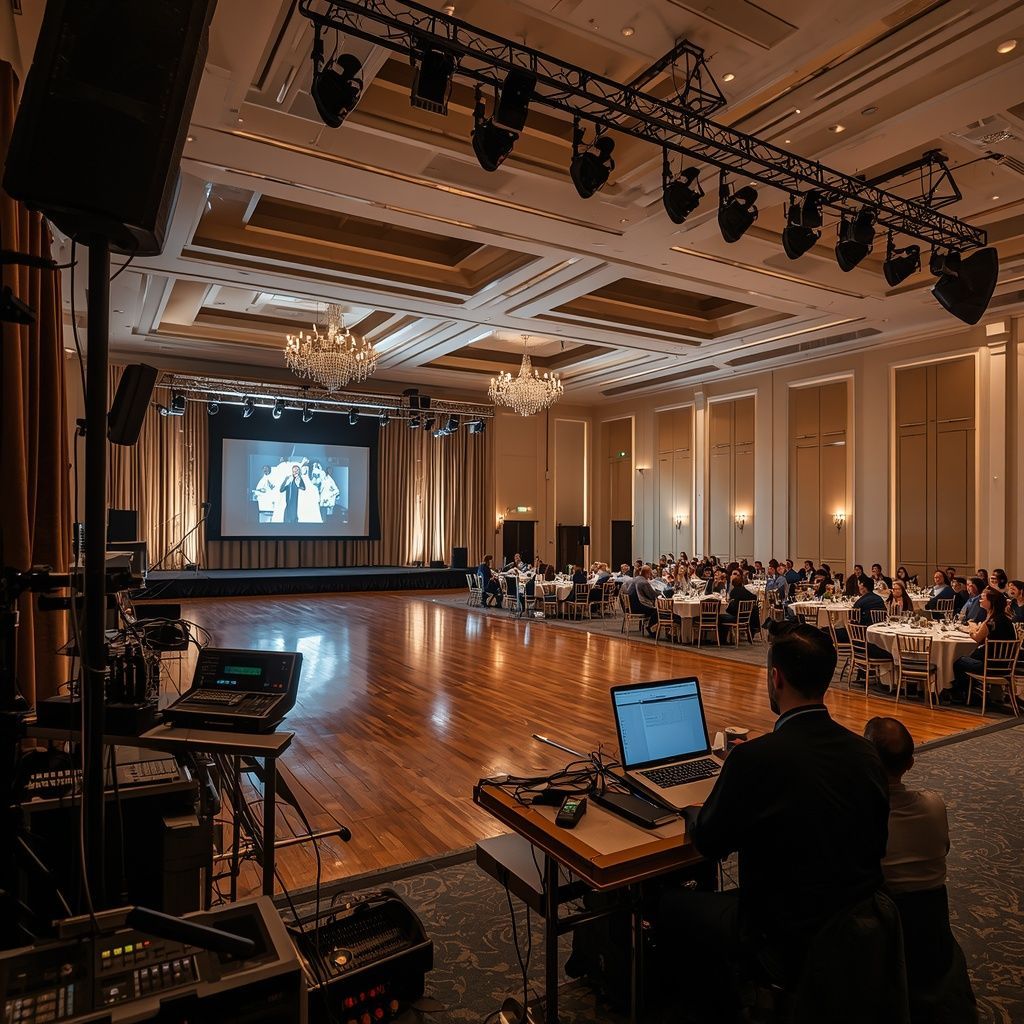
Sound checks before doors open are non-negotiable. Technicians should confirm consistent volume levels across every microphone, check for background noise, and test placement so panelists aren't speaking off-axis. The right configuration depends on the number of speakers, the stage arrangement, and the overall format of the event. Partnering with a team experienced in av production services miami organizers trust helps ensure these details are handled before attendees ever take their seats.
Plan a Stage Layout That Encourages Conversation
Stage design shapes how panelists interact with each other and with the audience. A cramped or awkward layout makes conversation feel stiff, while a thoughtful one invites natural dialogue.
Key considerations include:
- Seating arrangements that allow panelists to see one another
- Clear positioning for the moderator, often at the center or end of the row
- Adequate spacing between chairs so body language and gestures aren't restricted
- Accessible entry and exit points for easy transitions
- Tables or podiums where notes or materials are needed
Three common formats work well depending on the event:
- Straight-line seating suits larger panels where all speakers face the audience directly
- Semicircular arrangements encourage panelists to engage with one another, making for livelier back-and-forth
- Lounge-style seating fits smaller, more conversational formats, often used for fireside-chat style discussions
Choosing the right layout depends on panel size, venue dimensions, and the tone organizers want to set.
Make Audience Visibility a Priority
No matter how compelling the discussion, attendees who can't see the stage will disengage quickly. Visibility should factor into every decision, from stage height to screen placement.
Organizers should consider:
- Stage height relative to venue size and seating layout
- Chair and stage positioning that avoids obstructed views
- LED video walls or projection screens for larger rooms
- Screen placement that doesn't block panelists from view
- Clear sightlines from all sections of the audience, including the back rows
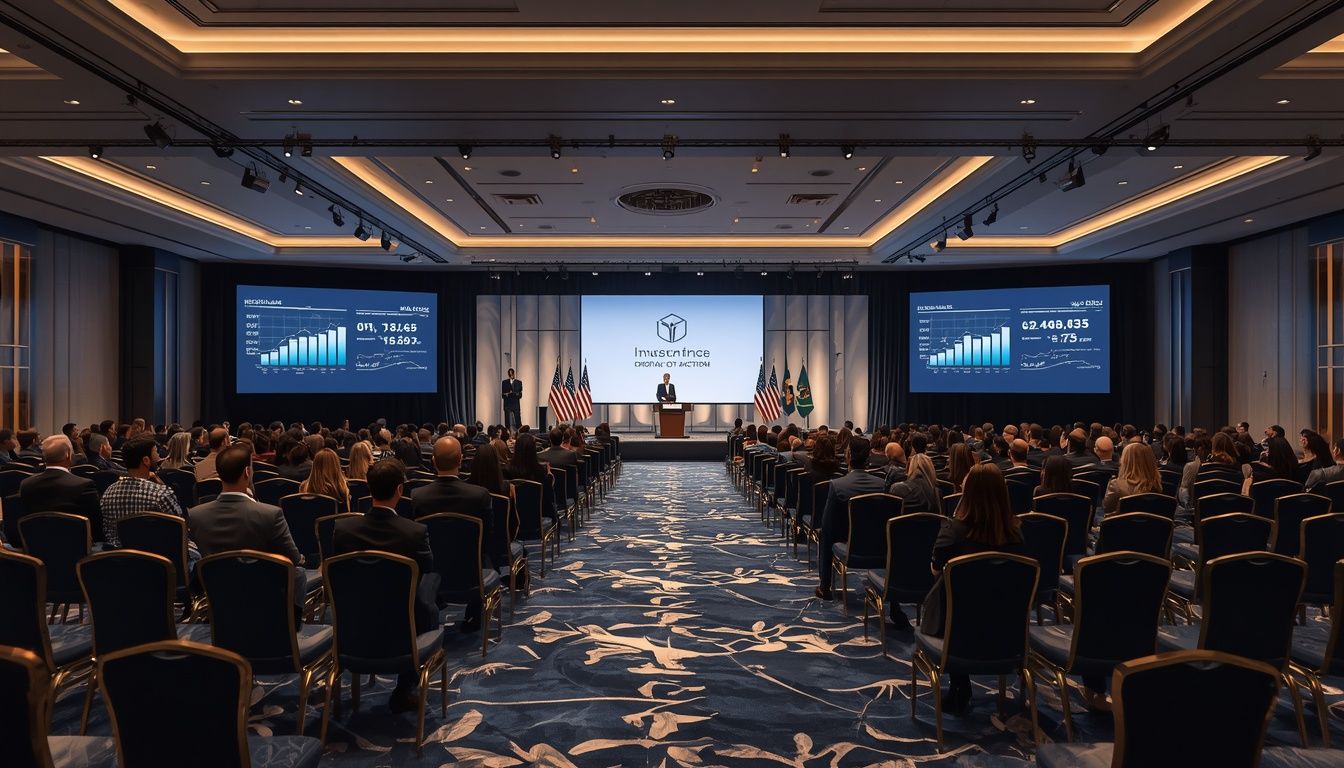
Room dimensions and expected attendance should directly inform the setup. A ballroom hosting 400 guests requires a different approach than a boardroom hosting 30.
Use Lighting to Keep the Panel Visible
Lighting does more than illuminate the stage. It shapes how the audience perceives the discussion and keeps the focus where it belongs.
Effective lighting design includes:
- Stage lighting that evenly illuminates every panelist, not just the moderator
- Balanced lighting across the entire discussion area to avoid uneven exposure on camera or in photos
- Appropriate lighting angles for speakers so expressions and body language remain visible
- Avoiding harsh shadows or glare that distract from the conversation
- Maintaining screen visibility during slide presentations without washing out the display
Well-executed event lighting production miami organizers rely on brings consistency to the stage and keeps attendees focused on the content rather than distracting visual issues.
Integrate Audio-Visual Equipment and Branding
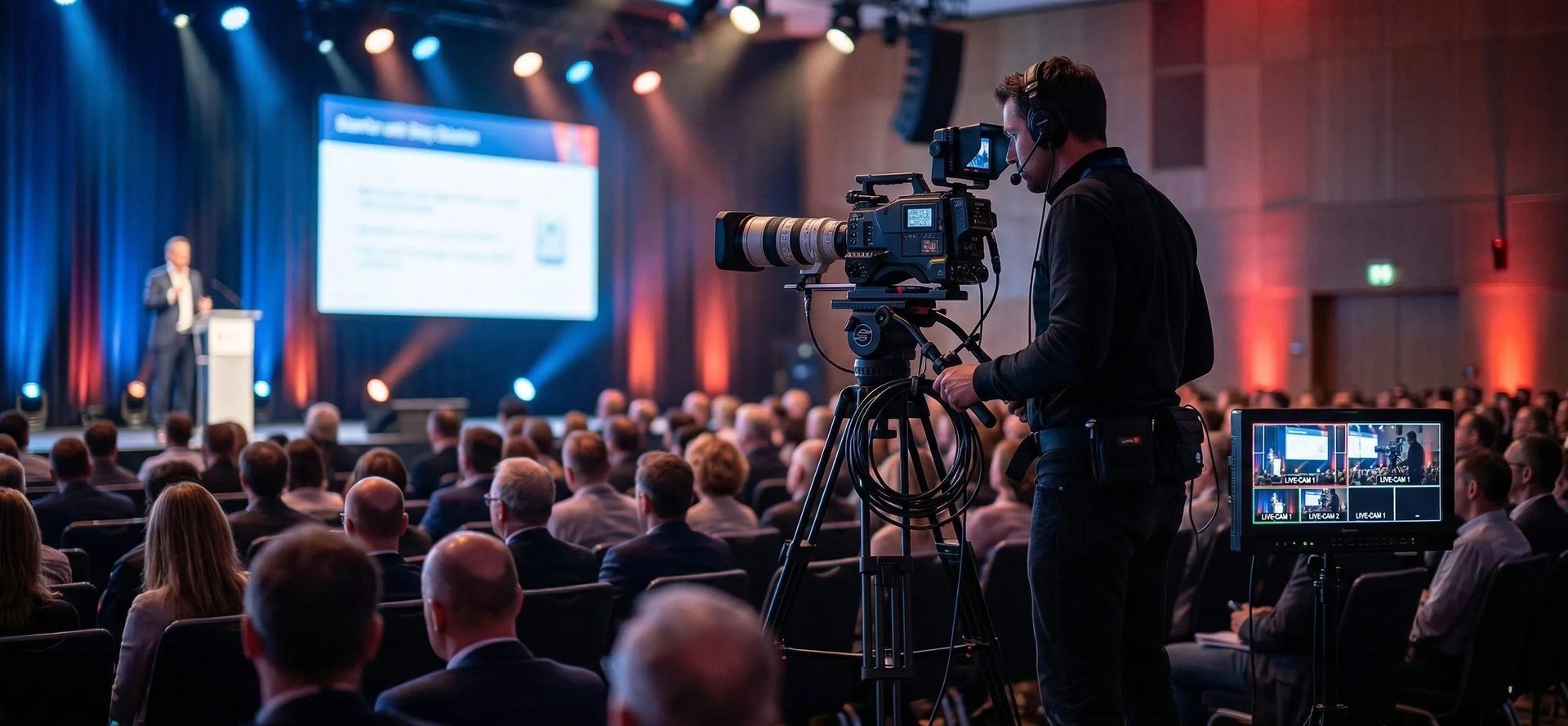
Supporting production elements tie the entire panel experience together. LED video walls, projectors, and presentation switching equipment allow seamless transitions between speaker slides, video clips, and live camera feeds. Professional sound distribution ensures every seat in the room hears the discussion clearly, not just the front rows.
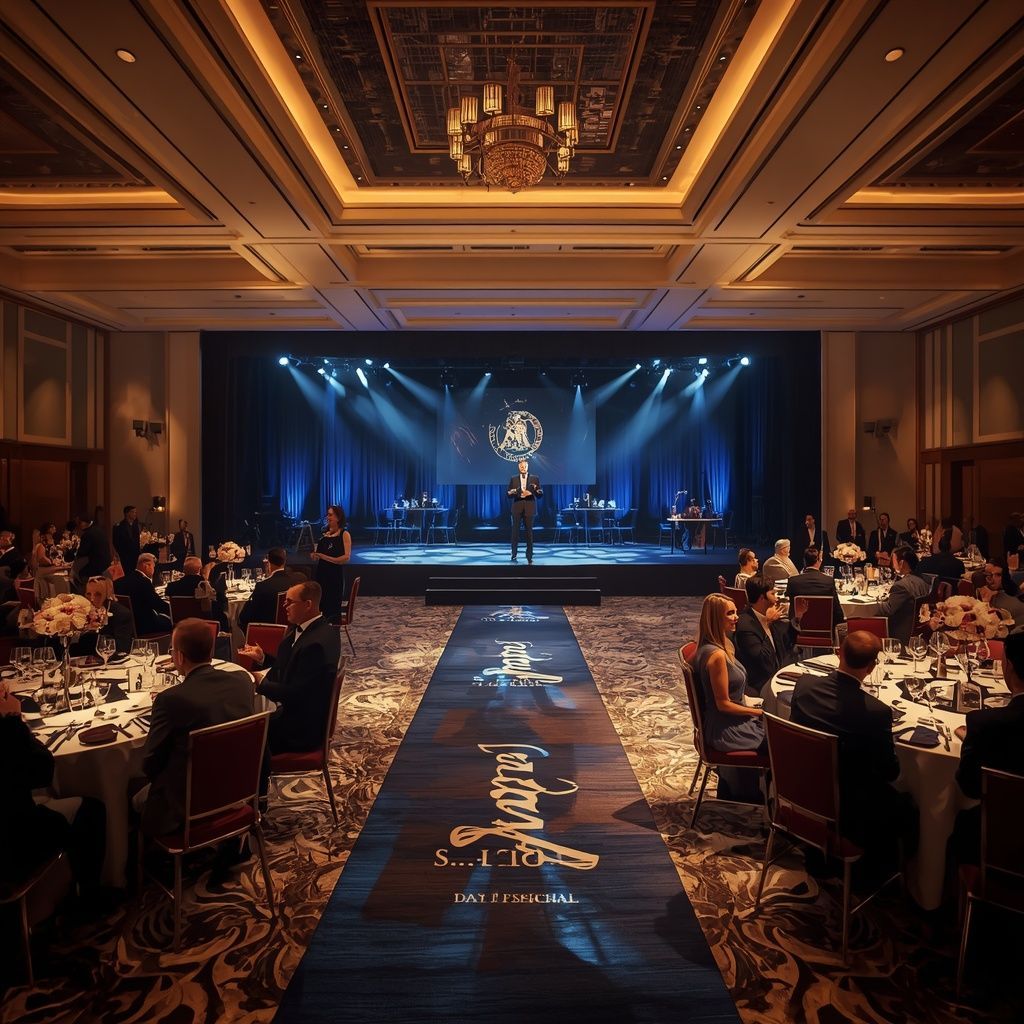
Branding elements, including stage backdrops, stage wraps, and company signage, reinforce a company's identity without overwhelming the discussion itself. Keeping branding professional and purposeful, rather than overly decorative, helps maintain the credibility of a corporate panel setting.
Prepare for a Smooth Panel Discussion
A practical checklist before the event starts can prevent most technical issues:
- Test every microphone individually
- Confirm audio levels and speaker placement
- Review panelist seating and stage access points
- Check lighting angles and screen visibility from multiple seats
- Test presentation equipment and all connections
- Coordinate moderator and speaker transitions
- Keep technical support on standby during the discussion
Rehearsals and pre-event checks catch problems before attendees arrive, giving panelists and moderators confidence once the discussion begins.
Choosing the Right Event Production Partner in Miami
When selecting a production partner for a corporate panel discussion, organizers should evaluate:
- Experience with corporate events and panel formats specifically
- Professional sound and microphone capabilities
- Stage design and lighting expertise
- Availability of audiovisual equipment
- Branding and customization options
- On-site technical coordination and support
MPE Event Group, a stage production company serving Miami-Dade, Broward, and Palm Beach counties, offers the combined lighting production services, audiovisual capabilities, and event branding expertise that corporate panel discussions require. From custom stage wraps to sound systems built for business audiences, the right partner brings every piece together.
Bringing It All Together
A successful corporate panel discussion depends on far more than compelling speakers. The right microphones, a stage layout that encourages genuine conversation, strong audience visibility, and balanced lighting all work together to create an experience attendees remember for the right reasons.
If your organization is planning a corporate panel discussion in Miami or South Florida, explore how MPE Event Group's corporate event services can bring professional production value to your next event. Visit MPE Event Group to start planning.
About MPE Event Group
At MPE Event Group, we specialize in custom event branding and production for weddings, corporate events, and special celebrations throughout South Florida. Our services include custom dance floor wraps, stage wraps, custom aisle runners, and event signage, complemented by professional audio-visual production, lighting, and DJ services. From personalized wedding details to coordinated corporate graphics, we bring your vision to life with designs and production tailored to your venue, style, and occasion.