
Planning Multi-Day Conferences: Production Strategies That Keep Every Session Running Smoothly
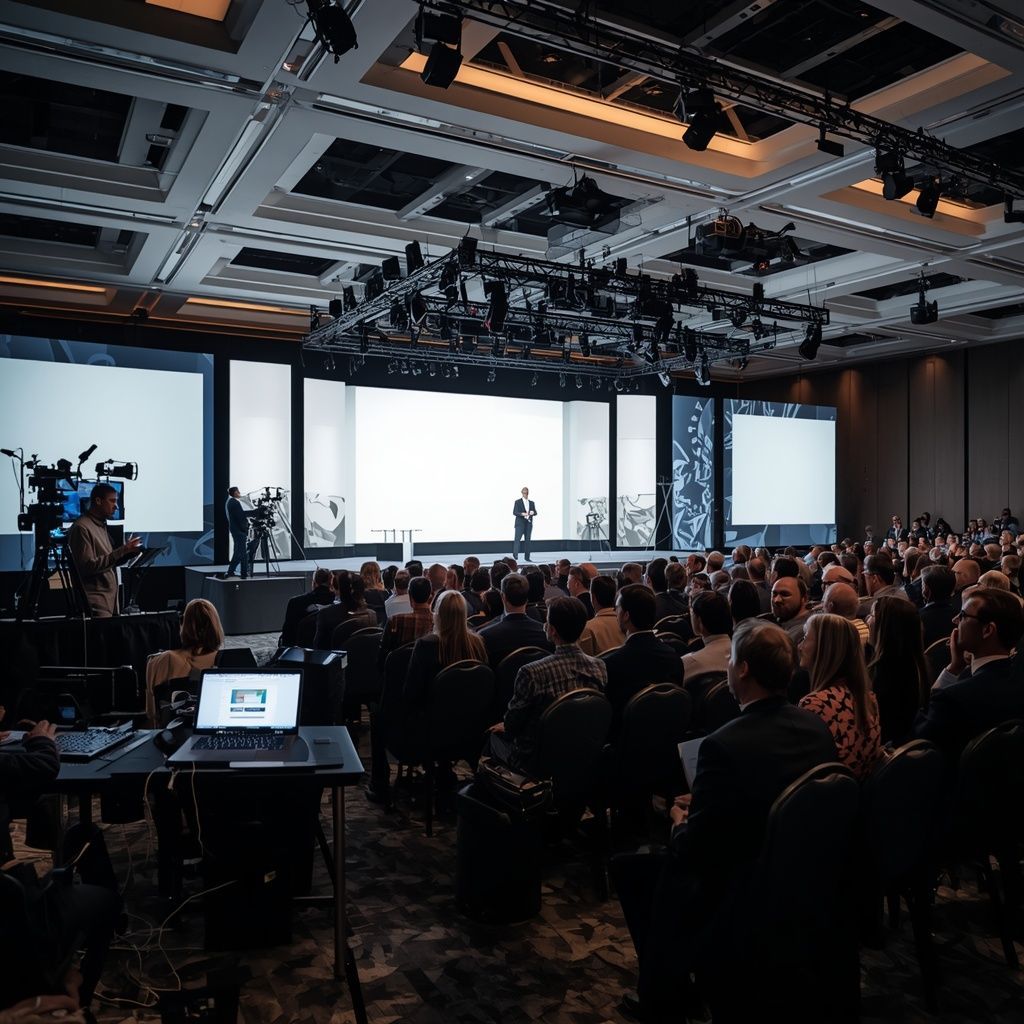
Successful multi-day conferences depend on detailed pre-event planning, reliable technical infrastructure, and strong on-site coordination. Partnering with an experienced event production company helps organizers manage AV setups, lighting, staging, and staff communication across every session, reducing the risk of delays or technical failures throughout the event.
Multi-day conferences bring a unique set of logistical challenges that single-day events simply don't have. Coordinating multiple sessions, speakers, and technical setups across several days requires careful timing, clear communication, and a production plan that can adapt when things don't go exactly as scheduled.
When execution falls short, even briefly, it can affect attendee experience and reflect poorly on your brand. A dropped microphone during a keynote or a delayed session start might seem minor in the moment, but these issues add up. On the other hand, when production runs smoothly from the opening session to the closing remarks, attendees notice. They remember an event that felt organized, professional, and worth their time.
This guide breaks down the production strategies that keep multi-day conferences running smoothly, from pre-event planning through post-event follow-up.
How should you plan logistics before a multi-day conference begins?
Strong execution starts long before attendees arrive. A detailed timeline should cover venue setup, vendor coordination, and equipment testing well before day one.
Start by building a checklist that accounts for every moving part:
- Venue access and setup windows for each day of the conference
- Vendor delivery and installation schedules
- Equipment testing timelines for AV, lighting, and staging
- Speaker and staff briefings
Confirming audio-visual production requirements early is essential, especially for sessions with high attendance or live streaming components. Backup systems matter here too. A single point of failure, like one microphone or one projector, can derail an entire session if there's no redundancy in place.
Coordination with speakers, vendors, and staff should happen well before the event. Everyone involved needs to understand the schedule, their responsibilities, and what to do if something changes last minute. Many event production companies in Miami build this coordination directly into their planning process, using shared timelines that keep every stakeholder aligned.
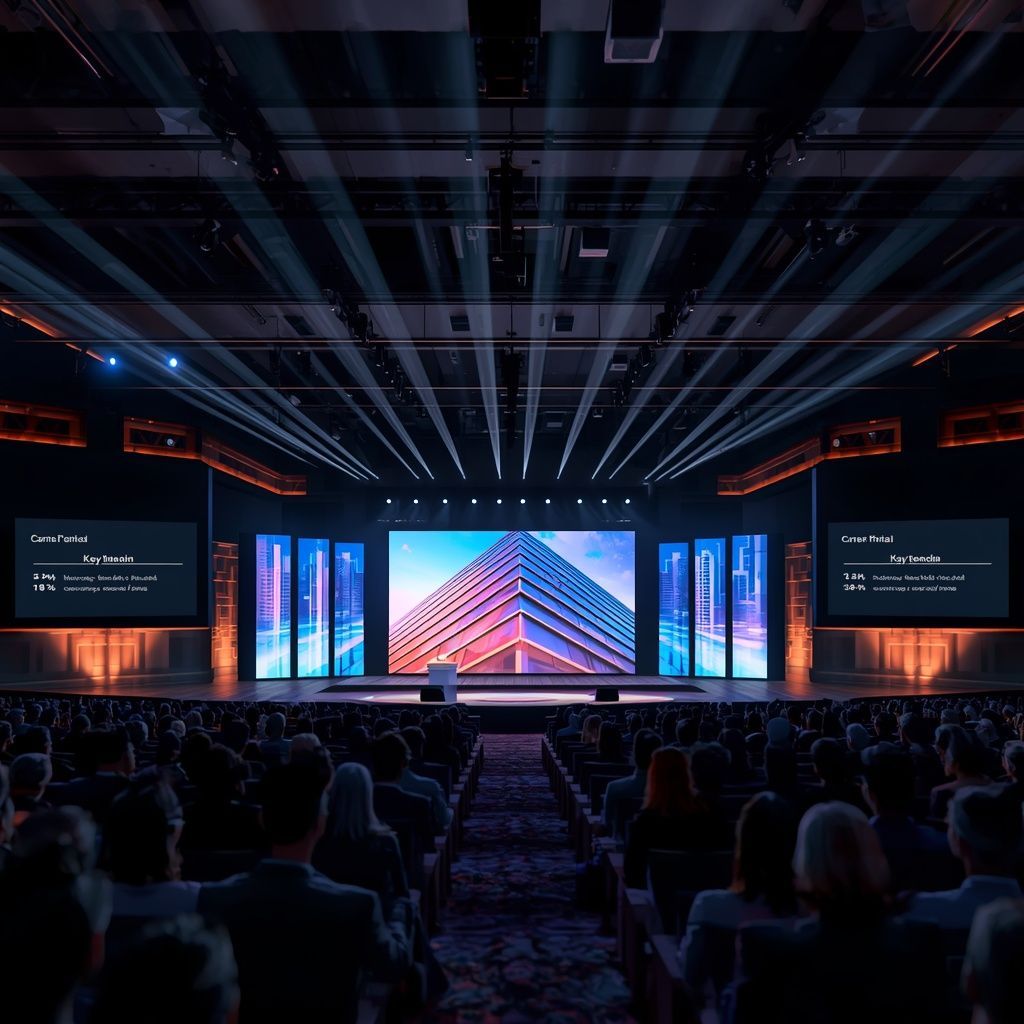
Stage design and lighting production also deserve early attention. A cohesive visual identity across multiple sessions and stages reinforces your brand and creates a more polished experience for attendees moving between rooms or days.
What technical infrastructure keeps sessions running without interruptions?
Technical failures are one of the most common causes of session disruptions. Investing in reliable AV production equipment, complete with backup systems, reduces this risk significantly.
Before day one, test every microphone, projector, screen, and connectivity point under real conditions, not just by checking off a list. This is particularly important for conferences that combine in-person presentations with live streaming, since both audiences need a consistent experience.
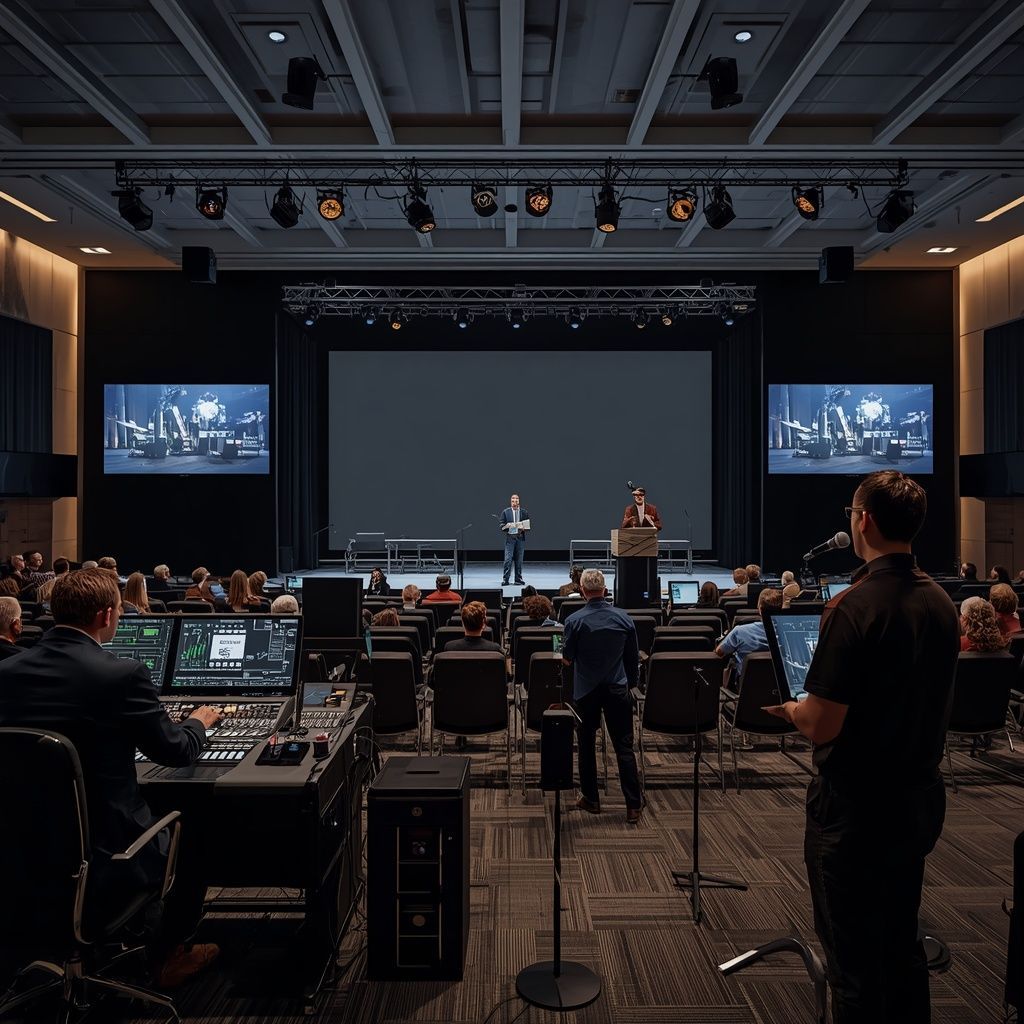
A dedicated tech support team stationed at each stage or session area allows problems to be caught and resolved quickly, often before attendees even notice. Clear communication protocols between the tech crew, speakers, and moderators are equally important. If a speaker's microphone cuts out mid-sentence, everyone involved should know exactly who to signal and how the issue gets resolved.
Working with an established provider of AV production services in Miami can simplify this process considerably, since these teams typically bring redundant equipment and experienced technicians who have handled similar situations before.
How do you coordinate staff and volunteers during a multi-day event?
Even the best-laid plans depend on the people executing them. Every staff member and volunteer needs a clear briefing on their role, timing, and what to do in an emergency.
A master schedule visible to the entire team helps keep everyone coordinated in real time. This is especially valuable during multi-day events, where schedules can shift slightly from one day to the next based on attendee flow or speaker availability.
Many production teams also set up a command center, a central point where leads can monitor all sessions simultaneously. From there, mobile communication tools like radios or messaging apps allow for quick problem-solving. If one session runs long, the team can adjust downstream schedules before the delay cascades into other rooms.
How can you create a cohesive attendee experience across multiple sessions?
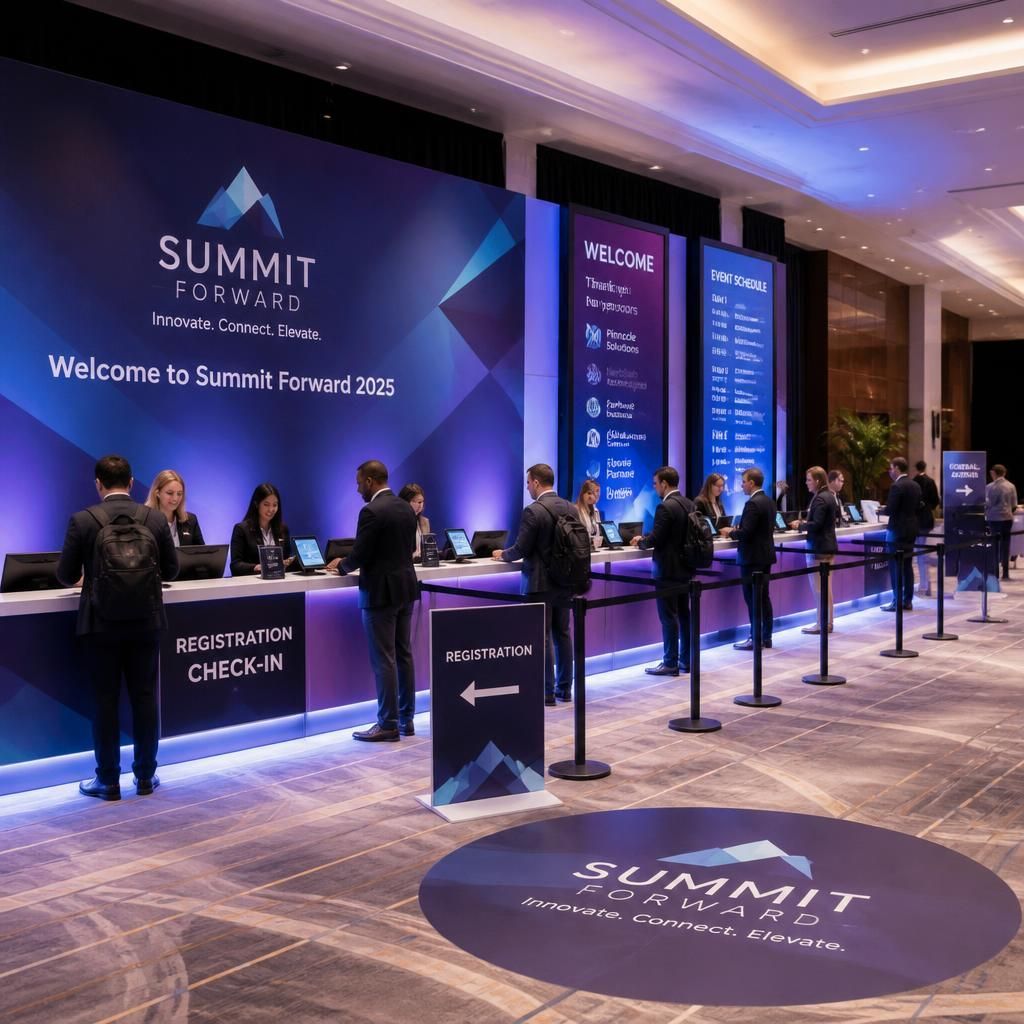
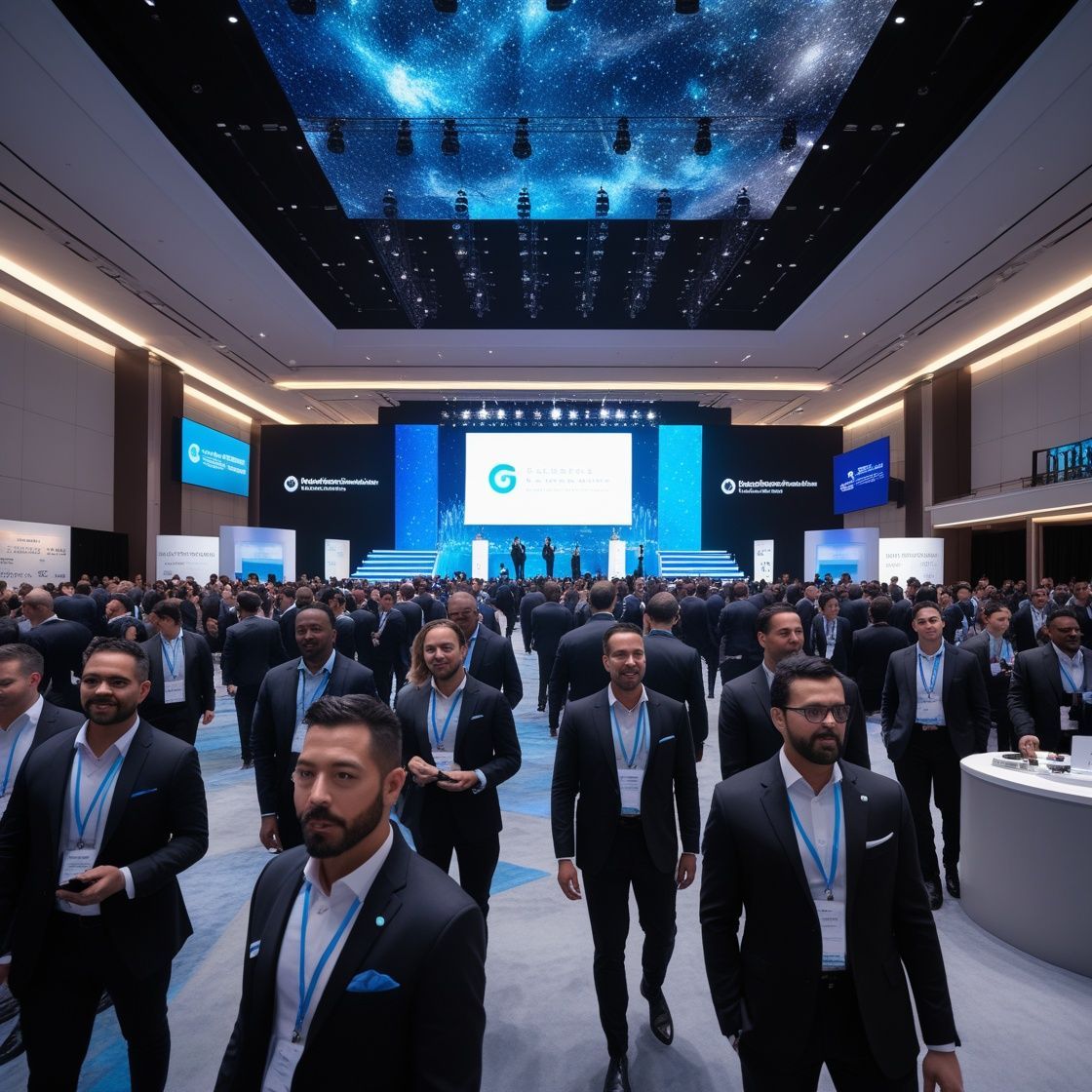
Attendee experience is shaped by more than just the content on stage. Branded stage wraps, custom lighting, and signage all contribute to how professional and cohesive an event feels.
Seamless transitions between sessions matter too. Long gaps or confusing room changes can cause attendees to lose energy or disengage entirely. Thoughtful room design, including interactive elements like custom seating arrangements or personalized branding touches, keeps the environment engaging throughout the day.
Entertainment also plays a role in maintaining energy, particularly during breaks or evening social events. Incorporating DJ services in Miami for networking receptions or closing parties gives attendees a chance to unwind and keeps the overall event experience feeling dynamic rather than purely transactional. Beyond music, event enhancements such as custom lighting effects or interactive photo moments can add memorable touches that extend beyond the general session content.
What are the most common production challenges at multi-day conferences?
Even with careful planning, issues can arise. Speaker delays and technical glitches are among the most frequent challenges, so build contingency plans into the schedule from the start. A five-minute buffer between sessions, for example, can absorb minor delays without throwing off the entire day.
Maintaining energy across multiple days is another common hurdle. Varying session formats, such as panels, workshops, and fireside chats, help prevent attendee fatigue compared to back-to-back lecture-style presentations.
Logistics around venue access, catering, and general flow can also create bottlenecks if not carefully coordinated in advance. Walking through the physical space ahead of time, with attention to how attendees will move between rooms, meals, and breaks, helps identify potential pinch points before they become real problems.
Finally, documenting lessons learned after each conference day, or after the event wraps entirely, gives your team valuable insights for improving future events. Small adjustments based on real feedback often make the biggest difference in subsequent years.
Bringing it all together for a flawless multi-day event
Multi-day conferences succeed when detailed planning, strong team coordination, and professional production support come together. Every element, from stage design and lighting production to staff briefings and contingency plans, contributes to how attendees experience your event.
Investing in quality AV, lighting, and custom branding does more than prevent technical hiccups. It elevates the overall experience and reinforces the value of your event in attendees' minds long after it ends.
Given the complexity involved, partnering with an experienced production team can make the difference between a conference that feels chaotic and one that runs like clockwork.
If you're planning a multi-day event and want production support that handles the details so you don't have to, get in touch with MPE Event Group to start building a plan tailored to your event.